IT’S ONLY NATURAL – Fireflies light up summer nights
By JULIE WATSON
Local naturalist
Did you know that July 2 is World Firefly Day? Around here we call them lightning bugs and in some parts of the world they are known as glowworms. Some of my fondest memories as a child revolve around lightning bugs. I loved carefully catching them and putting them in a jar to watch them light up.
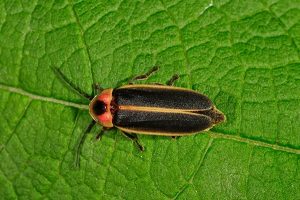
There are over 2,000 species of lightning bugs living in temperate and tropical climates across the globe. They all require a moist environment to survive which is why they are more active on hot and humid summer nights. These soft-shelled beetles light up to attract a mate.
The male lightning bug flies and blinks his abdomen in a specific pattern. Unable to fly, the female waits on a blade of grass or a tree. When she sees the correct pattern, she flashes her light to let the male know where she is. After mating, the female lays her eggs. Once the larvae hatch, they spend their time eating garden pests like snails, slugs, cutworms, and aphids.
Much like bees, lightning bugs populations are declining. Several factors may be involved in this tragedy, but there are things we can do to help our bioluminescent friends.
- Leave some tall grass – taller, undisturbed grass provides sanctuary for lightning bugs.
- Lay off the pesticides – commercial pesticides typically do damage to a variety of species (besides, some of the pests you may be trying to eliminate make up a lightning bug’s diet).
- Turn off unnecessary outdoor lights – light pollution makes it more difficult for lightning bugs to find a mate.
- Plant native plants/grasses and trees – a quick internet search will reveal an appropriate list.
- If you catch them, keep the air inside moist, give them some grass to hide in and be sure to release them the next day so they can continue to provide more lightning bugs in the future.
Julie Watson is a naturalist (outdoor educator.) Her work has appeared in several newspapers and an online magazine. She is the author of three published books. She earned a bachelor’s degree in Environmental Conservation from Berea College in Kentucky. She has worked at zoos, museums and parks across the country. But no matter where she roams, she always returns home to Northeast Ohio.